Discover HUELVA
Home of red fruits, Jabugo ham, white prawns, and fried cuttlefish
143k
inhabitants in Huelva city
300
days of sun per year
524k
inhabitants in Huelva province
Tourism
Best Beaches in Huelva
Sierra de Aracena and Picos de Aroche
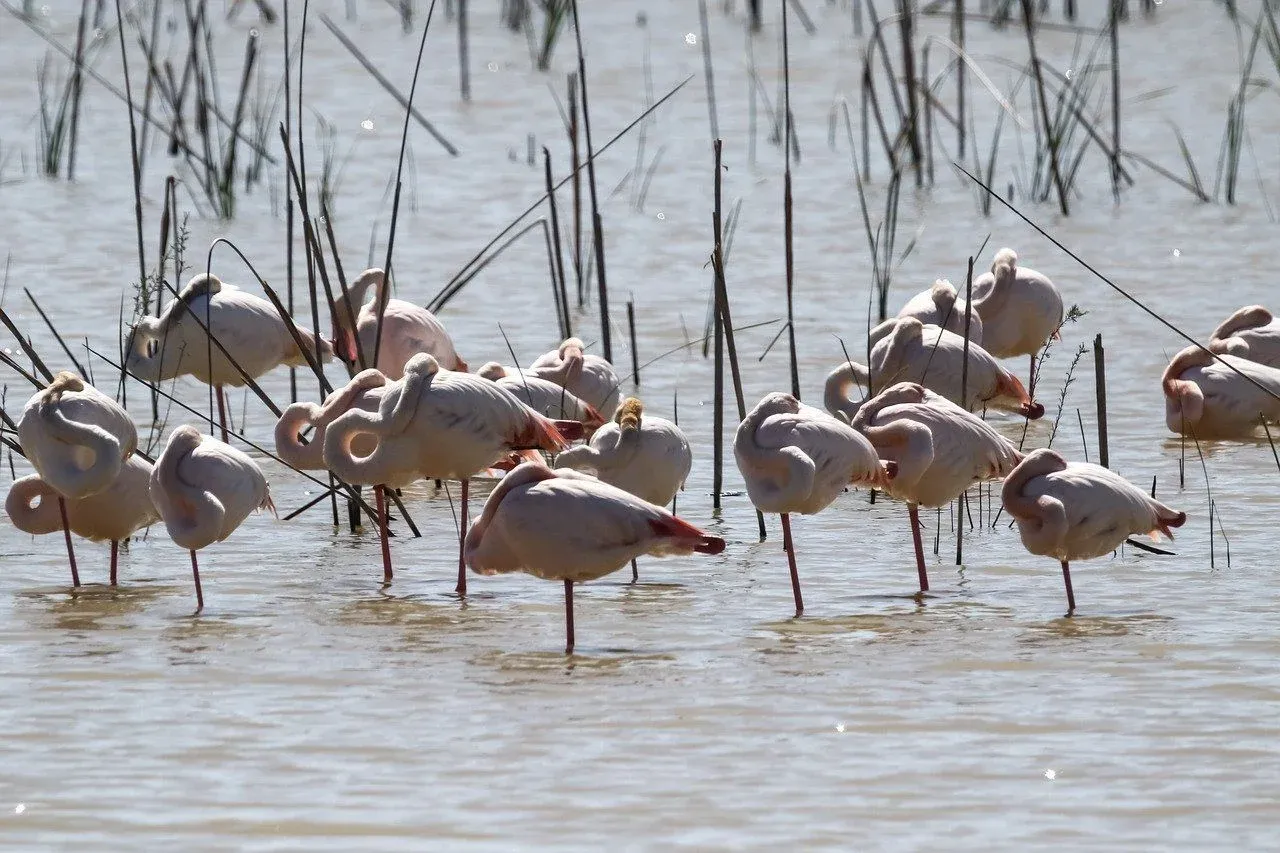
Almonte, El Rocio and Doñana
Gastronomy
Delicious, delicious...
Huelva is a city with a rich history that dates back to antiquity.
Located in the Andalusian region, in the southwest of Spain, it has been inhabited since prehistoric times. The Tartessians, one of the earliest civilizations of the Iberian Peninsula, settled in this area around the 9th century BC, attracted by its mineral resources. During Roman times, Huelva became an important commercial port, known as Onuba. The city also played a significant role during the Muslim domination until it was reconquered by the Christians in the 13th century.
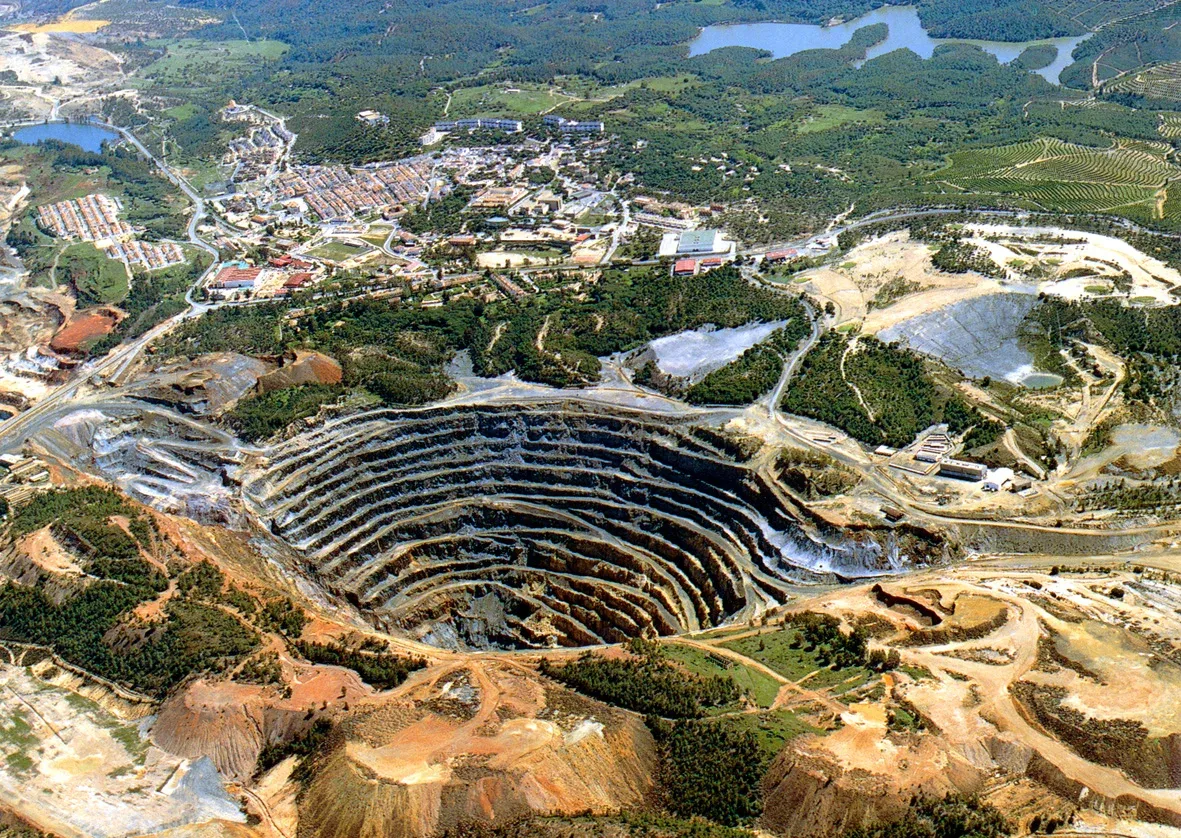
In modern times, Huelva gained international prominence when Christopher Columbus set sail from the nearby port of Palos de la Frontera in 1492, beginning his first voyage to the Americas. The region's mineral wealth, especially in Riotinto, attracted foreign investments in the 19th century, transforming the economy and the landscape of the province. Today, Huelva is known for its natural beauty, with beautiful beaches, national parks, and a unique culture reflected in its festivals and gastronomy.
History
Huelva is a city with a rich history that dates back to antiquity.
Located in the Andalusian region, in the southwest of Spain, it has been inhabited since prehistoric times. The Tartessians, one of the earliest civilizations of the Iberian Peninsula, settled in this area around the 9th century BC, attracted by its mineral resources. During Roman times, Huelva became an important commercial port, known as Onuba. The city also played a significant role during the Muslim domination until it was reconquered by the Christians in the 13th century.
In modern times, Huelva gained international prominence when Christopher Columbus set sail from the nearby port of Palos de la Frontera in 1492, beginning his first voyage to the Americas. The region's mineral wealth, especially in Riotinto, attracted foreign investments in the 19th century, transforming the economy and the landscape of the province. Today, Huelva is known for its natural beauty, with beautiful beaches, national parks, and a unique culture reflected in its festivals and gastronomy.
Economy
The economy of Huelva is characterized by its diversity, with key sectors such as mining, agriculture, fishing, and industry. The province is known for its significant mining sites, especially in Riotinto, which have been exploited since antiquity. Agriculture also plays a central role, with Huelva being one of the largest producers of strawberries and red fruits in Europe.
The fishing sector, especially the capture of prawns and other seafood, is crucial to the local economy, complemented by a thriving agri-food industry. In addition, tourism has gained importance, driven by its beaches, nature, and cultural heritage. Lastly, the port of Huelva is one of the most important in Spain, facilitating trade and the export of products.